A Hotel & Resort Guide to Responsible Plastic Waste Management
July 27, 2026
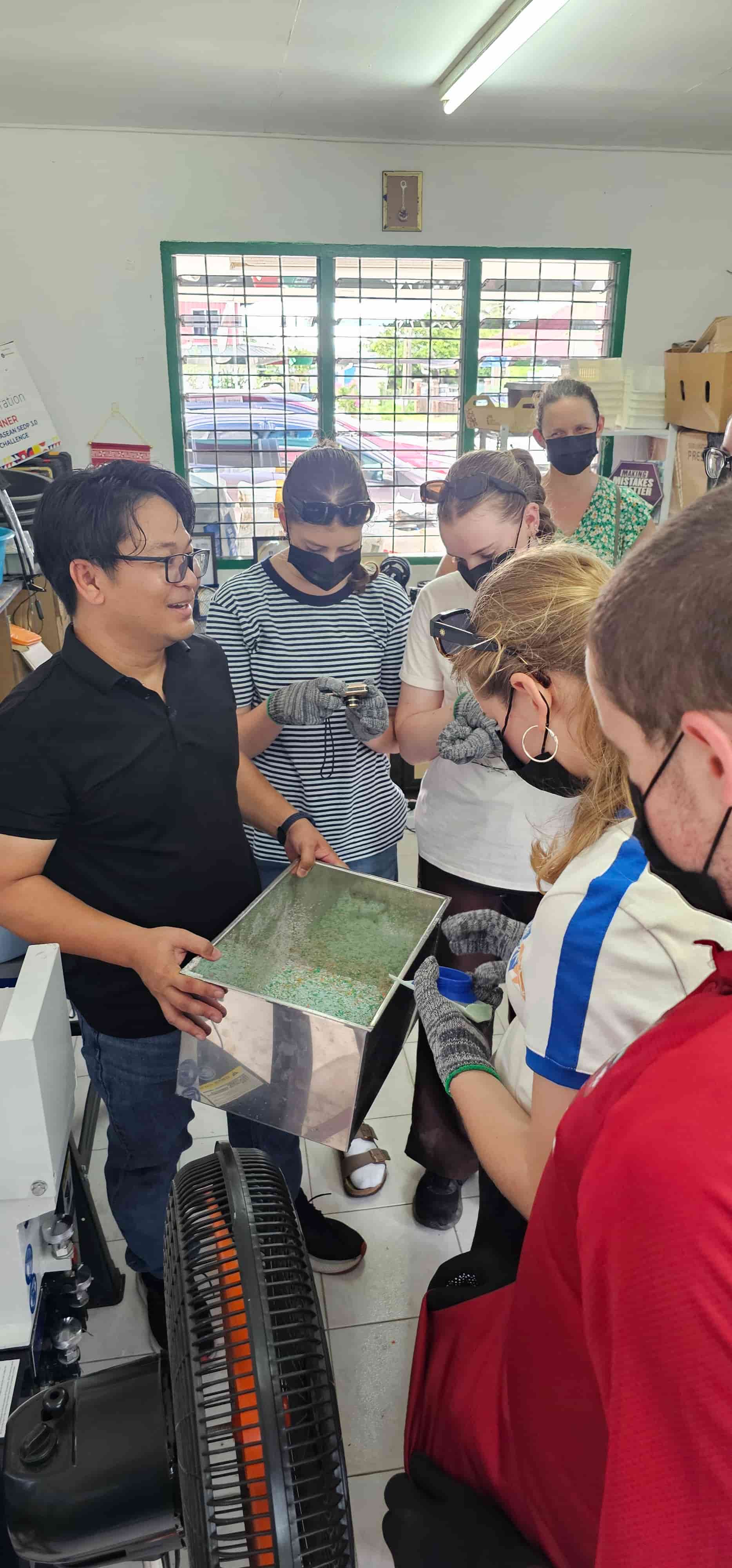
Sabah welcomes millions of visitors a year, and every one of them leaves something behind. Not just good memories and tourism ringgit — but bottles, wrappers, amenity tubes, cling film, and single-use containers. A mid-sized resort can generate 40 to 80 kilograms of plastic waste every single day during peak season.
Right now, most of that plastic goes straight into the general waste stream and ends up at Kayu Madang or a smaller district landfill. Some of it doesn't even make it that far — it escapes into drains, rivers, and eventually the same reefs and beaches your guests came to see.
The good news: plastic is one of the easiest waste streams for a hotel to fix. It's clean, it's high-volume, it's easy to store, and — unlike food waste — it has real recovery value. This guide walks through how a hotel or resort in Sabah can set up a working plastic waste system, step by step.
Why Plastic Waste Matters More for Hotels Than Most Businesses
Hotels sit at a unique pressure point:
- Volume. Housekeeping, F&B, banquet, and minibar operations all produce plastic independently. It adds up fast, and it adds up invisibly because it's spread across departments.
- Guest visibility. Sustainability is now a booking factor. Travellers notice bin systems, refill stations, and the absence of tiny shampoo bottles. They also notice when a "eco resort" sends everything to one skip.
- Certification and reporting. Green hotel certifications, ESG reporting, corporate travel procurement, and OTA sustainability badges increasingly require documented waste diversion figures — not intentions.
- Cost. Waste collection in Sabah is priced by volume. Diverting plastic out of the general stream reduces skip pickups directly.
Step 1: Audit Before You Buy Anything
The most common mistake is buying colour-coded bins first. Don't. Do a one-week waste audit instead.
For seven consecutive days, weigh what leaves each area — kitchen, housekeeping, banquet, bar, back office. Separate plastic into rough categories and record the weight. You will almost always find:
- PET (drink bottles) — the highest-value, cleanest stream
- HDPE (amenity bottles, cleaning containers) — steady volume from housekeeping
- PP (food containers, straws, cups) — mostly from F&B
- LDPE film (cling wrap, laundry bags, packaging) — high volume, low weight, awkward to store
- Mixed / contaminated — the portion you'll need to reduce through better sorting
Seven days of data tells you exactly how many bins you need, where, and how often collection should happen. It also becomes your baseline — the number you'll report improvement against next year.
Step 2: Set Up Back-of-House Separation First
Guest-facing bins get a lot of attention, but the real work happens back-of-house. Guests sort inconsistently; staff can be trained.
A workable setup:
- Kitchen and bar: one dedicated PET/plastic bin per station, positioned within arm's reach of where the waste is generated. If staff have to walk, they won't sort.
- Housekeeping trolleys: a separate bag for plastic amenity bottles and packaging. This alone captures a surprising amount.
- Central holding area: a shaded, dry, ventilated space where sorted plastic is bagged and stored between collections. Plastic doesn't rot, so weekly or fortnightly collection is usually enough.
- Rinse point: a simple hose or sink near the holding area. Bottles that still contain liquid contaminate the whole bag.
Label everything in Bahasa Malaysia and English, and use pictures. Your team is multilingual; your signage should be too.
Step 3: Reduce at Source — the Cheapest Win
Every kilogram you don't generate is a kilogram you don't have to sort, store, or pay to remove.
- Replace individual amenity bottles with wall-mounted refillable dispensers. Payback is typically under a year for properties above 60 rooms.
- Install filtered water stations and provide glass carafes or reusable bottles in rooms.
- Switch banquet and pool service to reusable or non-plastic serviceware.
- Ask suppliers to deliver in returnable crates rather than shrink-wrapped cartons. Many local suppliers will do this if asked — it saves them money too.
- Remove plastic straws, stirrers, and single-use sachets from all outlets.
Step 4: Arrange Proper Plastic Waste Collection in Sabah
This is where most properties get stuck. Sorting is easy; finding somebody to actually take the sorted material is harder — especially outside Kota Kinabalu city centre.
When choosing a plastic waste collection partner for a hotel in Sabah, check for:
- Do they issue collection records? You need documented weights per collection for ESG and certification reporting. A verbal "we took about a tonne" is not evidence.
- What happens to the material afterwards? Ask directly. Is it baled and sold on, processed locally, or quietly landfilled? A credible partner will tell you.
- Can they handle mixed grades? Some collectors only take PET. If nobody takes your PP and film, you're back to square one.
- Scheduled or on-call collection? Peak season volume can triple. Your partner should be able to flex.
- Are they local? A Sabah-based operator understands the logistics — and keeps the value of the material in the state rather than shipping the problem elsewhere.
Step 5: Report It, and Tell the Story
Once collection is running, the data becomes an asset:
- Track kilograms diverted per month and diversion rate (plastic recycled ÷ total plastic generated).
- Report it in your ESG summary, green certification submissions, and corporate client tenders.
- Share it with guests — a small in-room card or lobby display showing real figures is far more convincing than a generic "please reuse your towel" note.
- Offer staff a target. Diversion rates improve fastest when the housekeeping and kitchen teams can see the number moving.
A Realistic 90-Day Rollout
| Phase | Timeline | Actions |
|---|---|---|
| Audit | Week 1–2 | Seven-day waste weigh-in, identify streams and volumes |
| Setup | Week 3–6 | Order bins, build holding area, print bilingual signage |
| Training | Week 5–7 | Department briefings, trolley and station SOPs |
| Collection | Week 6 onward | Appoint collection partner, set schedule, begin logging weights |
| Review | Week 12–13 | Measure diversion rate against baseline, adjust bin placement |
Where PERHILAS Comes In
Pertubuhan Hijau Lestari Sabah (PERHILAS) operates a Recycling and Upcycling Centre at Kampung Kepayan Baru, Sepanggar, working alongside LJD Corporation on plastic and e-waste recovery across the Kota Kinabalu area.
We work with hotels and resorts on:
- Free waste audits and stream identification for your property
- Scheduled plastic waste collection with documented weight records for every pickup
- Staff training on sorting, contamination control, and holding-area management
- Monthly diversion reports formatted for ESG and green certification submissions
- Upcycling collaborations — turning your property's own plastic into products, workshops, or guest experiences
Every kilogram collected also supports community recycling programmes in the surrounding villages, aligned with the UN Sustainable Development Goals.
Get Started
If you manage a hotel or resort in Sabah and want a straight answer on what your plastic waste actually costs you — and what it could be worth instead — get in touch for a no-obligation audit.
Pusat Kitar Semula PERHILAS Kampung Kepayan Baru, 88450 Kota Kinabalu, Sabah 📧 info@ljdofficial.com 📞 011-6187 0395