From Waste to Branded Product: LJD's 3-Step Process
July 29, 2026
Most conversations about recycling in Malaysia stop at collection. A bin gets filled, a lorry comes, the material disappears, and everyone feels slightly better. But the material has to become something. Otherwise it's just a slower route to the same landfill.
That's the gap LJD Corporation and Pertubuhan Hijau Lestari Sabah (PERHILAS) work in: turning waste into product. Not vague "eco-awareness," but physical, branded, sellable items made from material that was thrown away three weeks ago.
Here's exactly how the waste to product process works in Malaysia — in three steps.
Step 1: Collect and Sort
Nothing good comes out of a badly sorted input. This is the least glamorous step and by far the most important.
Where the material comes from
Our feedstock arrives from three main channels:
- Corporate and hospitality partners — hotels, resorts, offices, and factories with scheduled collection agreements
- Community collection — village drop-off points around Kampung Kepayan Baru and Sepanggar
- Event and campaign recovery — bulk collection from festivals, conferences, and public programmes
What happens on arrival
Every batch is weighed and logged at the Recycling and Upcycling Centre. This matters for two reasons: partners get documented diversion figures for their ESG and sustainability reporting, and we know exactly what we have to work with.
Material is then sorted by polymer type and colour:
- PET — drink bottles
- HDPE — amenity bottles, cleaning containers, crates
- PP — food containers, caps, straws
- LDPE — film and packaging
- Glass — bottles and jars, sorted by colour
Colour sorting is what separates a professional output from a craft-fair output. Mixed-colour plastic produces a muddy grey-brown; deliberately sorted plastic produces controlled, repeatable colourways — the difference between something that looks like waste and something that looks designed.
Contaminated material — food residue, mixed laminates, unidentifiable polymers — is separated out and diverted to appropriate disposal rather than forced into the production stream.
Step 2: Process and Transform
Once sorted, the material has to be converted into a workable form. Different waste streams take different routes.
Plastic processing
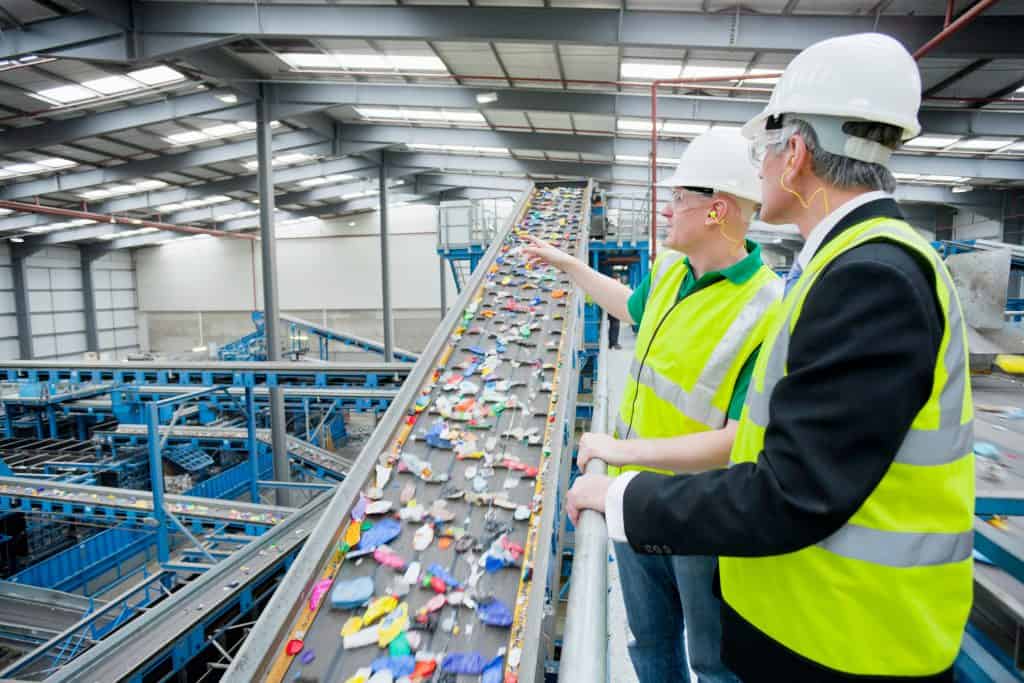
- Shredding — clean, sorted plastic is reduced to flake
- Heat forming and pressing — flake is melted and pressed into sheets, blocks, or moulded shapes depending on the end product
- Compression into building units — heavier grades and mixed rigid plastics can be formed into construction-grade blocks and pavers for community infrastructure projects
Glass processing
Glass bottles are cut, edge-ground, and polished using precision cutting equipment. A wine or spirit bottle becomes a tumbler, a planter, a candle vessel, or a lamp housing — with clean, safe, finished edges rather than the rough hand-cut look.
Quality control
Every batch is checked for structural integrity, edge finish, colour consistency, and dimensional accuracy. Anything that fails goes back into the shredder. Because the material is already recovered, rejects cost us processing time — not raw material — which is one of the quiet economic advantages of upcycling.
Step 3: Design and Brand
This is where waste stops being waste.
Product development
We work with clients to develop items that fit an actual use case rather than sitting in a drawer:
- Coasters, trays, and desk organisers from pressed plastic sheet
- Tumblers, planters, and candle holders from cut glass
- Keychains, tags, plaques, and awards
- Pavers, benches, and modular units for landscaping and community builds
- Custom pieces developed to a client brief
Branding and finishing
Laser engraving is applied directly onto the finished piece — logos, campaign names, event dates, QR codes, or the diversion figure itself. Engraving is permanent and doesn't peel, fade, or add another layer of material that has to be disposed of later.
The traceability story
Here's what makes a branded upcycled product different from a normal corporate gift: it comes with provenance. We can tell a client that a batch of 500 coasters came from 62 kg of PET collected from their own properties between March and May. That's a story that survives being repeated, and it's the kind of specific claim that stands up in a sustainability report.
Why This Model Works in Malaysia
The feedstock is free and abundant. Malaysia generates enormous volumes of recoverable plastic and glass, much of it clean and consistent — particularly from hospitality and F&B.
Corporate demand is real and growing. ESG reporting requirements, green procurement policies, and sustainability-linked tenders have created genuine demand for products with a documented environmental origin.
It creates local work. Sorting, processing, finishing, and design all happen in Sabah. Value stays in the community rather than being exported along with the baled material.
It closes a real loop. A hotel's bottles become that hotel's own guest amenities or corporate gifts. The material doesn't leave the state, and it doesn't leave the story.
Working With Us
We take on:
- Closed-loop corporate programmes — we collect your waste and return it as your branded product
- Bulk merchandise orders — corporate gifts, event giveaways, awards, retail lines
- Community and CSR builds — recycled-plastic pavers, benches, and structures
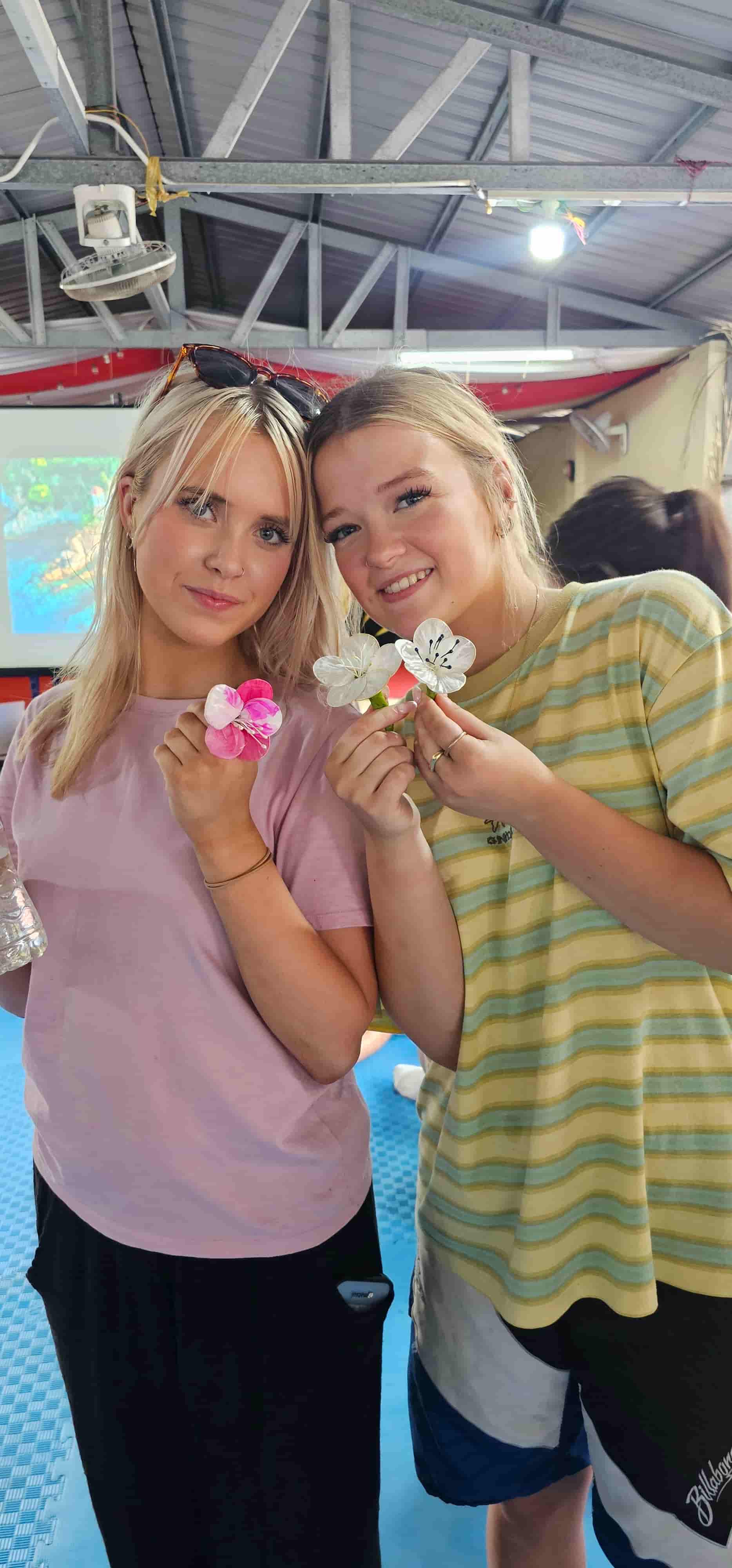
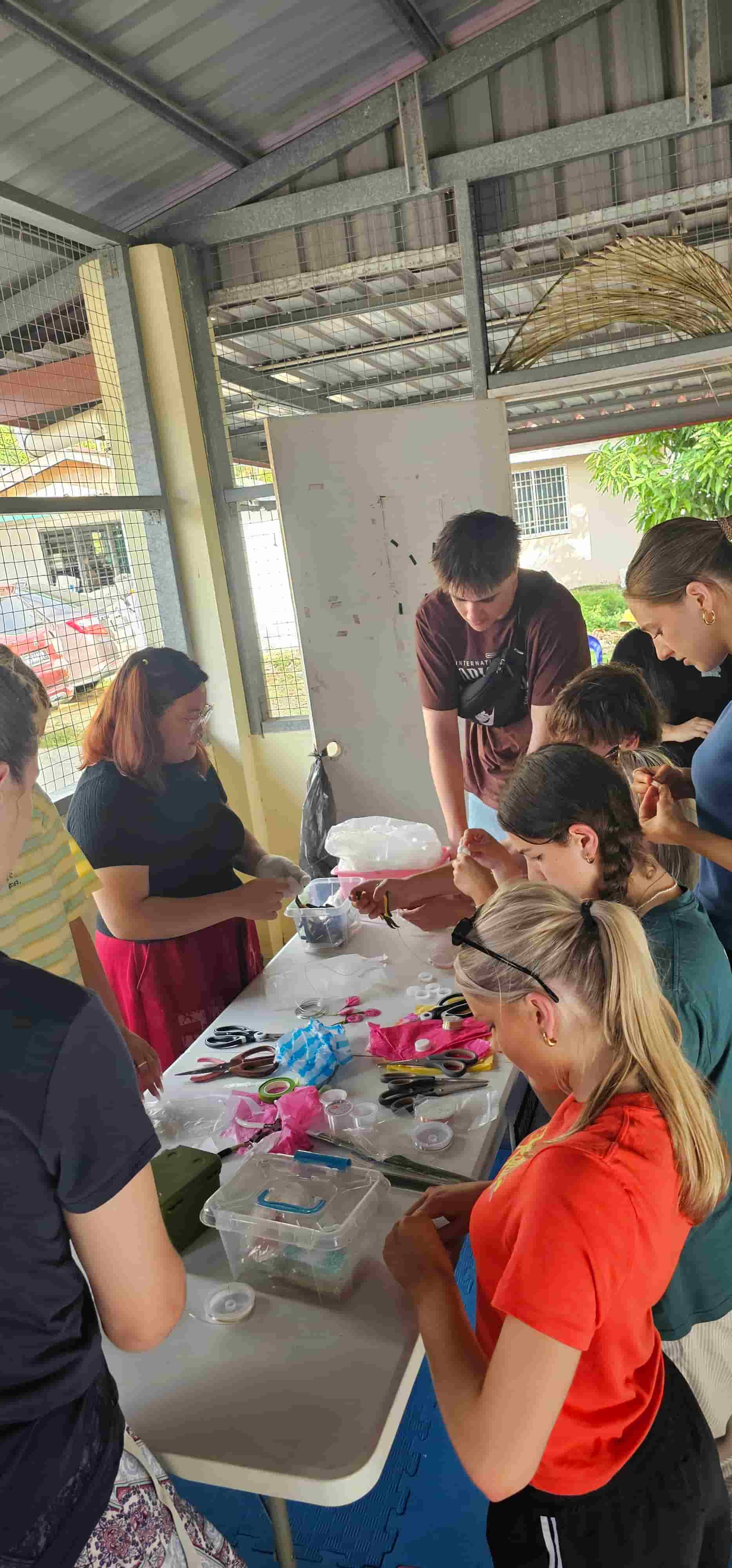
- Workshops and training — hands-on upcycling sessions for schools, companies, and community groups
Every project supports community recycling programmes in the villages around our centre, and aligns with the UN Sustainable Development Goals on responsible consumption, climate action, and sustainable communities.
Get in Touch
Tell us what waste you generate, and we'll tell you what it could become.
LJD Corporation / Pertubuhan Hijau Lestari Sabah (PERHILAS) Pusat Kitar Semula PERHILAS Kampung Kepayan Baru, 88450 Kota Kinabalu, Sabah 📧 info@ljdofficial.com 📞 011-6187 0395
How Much Does a Corporate Recycling Service Cost in Sabah?
A straight answer on what corporate recycling actually costs, what drives the price up or down, and why the honest number is often lower than what you're paying now.
August 21, 2026
The Types of Plastic We Accept for Reprocessing
A plain-English guide to the types of plastic that are recyclable, what we can actually reprocess at our centre, and how to prepare it before drop-off or collection.
July 30, 2026