The Types of Plastic We Accept for Reprocessing
July 30, 2026
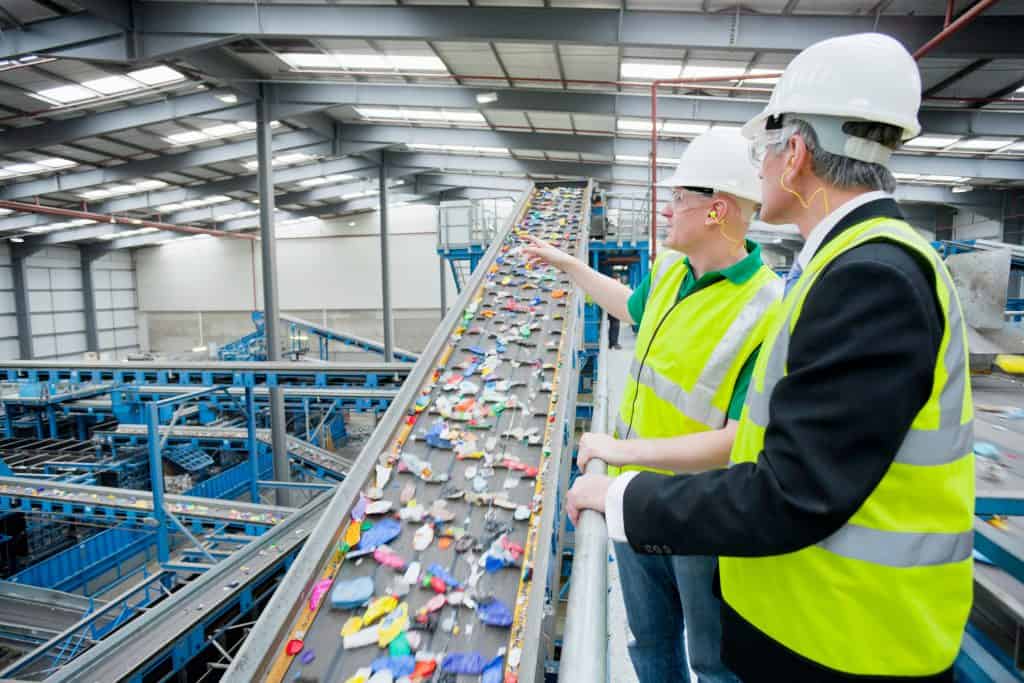
Not all plastic is recyclable, and that surprises people. The little triangle stamped on the bottom of a container isn't a promise that it can be recycled — it's just an identification code telling you which polymer family it belongs to. Some of those families reprocess beautifully. Others can't be melted, can't be separated, or degrade so badly on reheating that there's nothing useful left.
So before you fill a bag and send it over, here's exactly which types of plastic are recyclable at our facility, which aren't, and why.
The Seven Resin Codes, Explained
Every plastic item is assigned a number from 1 to 7. Flip the item over — it's usually moulded into the base or printed near the seam.
| Code | Polymer | Common Items | We Accept? |
|---|---|---|---|
| 1 | PET / PETE | Drink bottles, mineral water bottles, clear food trays | ✅ Yes — priority |
| 2 | HDPE | Detergent bottles, shampoo and amenity bottles, milk jugs, crates | ✅ Yes — priority |
| 3 | PVC | Pipes, hoses, blister packs, cling film (some) | ❌ No |
| 4 | LDPE | Plastic bags, film wrap, squeeze bottles, bread bags | ⚠️ Limited |
| 5 | PP | Food containers, bottle caps, straws, chairs, pails | ✅ Yes |
| 6 | PS | Styrofoam, disposable cups, takeaway boxes, cutlery | ❌ No |
| 7 | Other | Polycarbonate, acrylic, laminated pouches, mixed blends | ❌ No |
What We Accept — and What We Do With It
✅ PET (Code 1)
Accepted: mineral water bottles, soft drink bottles, juice bottles, clear food trays.
PET is the cleanest, highest-value stream we handle. It shreds evenly, holds colour well, and produces consistent output. From hotels and offices this typically arrives already clean and sorted, which makes it the easiest material to turn straight into pressed sheet or flake.
Prepare it: empty, rinse, remove the cap (caps are usually PP — sort them separately), and flatten. Labels can stay on; we remove them during processing.
✅ HDPE (Code 2)
Accepted: shampoo and conditioner bottles, hotel amenity bottles, cleaning product containers, milk bottles, plastic crates, bottle caps in HDPE.
HDPE is rigid, durable, and forgiving. It's our workhorse for pressed products — coasters, trays, desk items — and for heavier compression pieces like pavers and blocks. Coloured HDPE is especially useful because it lets us produce deliberate colourways instead of grey.
Prepare it: empty and rinse thoroughly, especially anything that held detergent, bleach, or oil. Pumps and metal springs must be removed.
✅ PP (Code 5)
Accepted: food containers, ice cream tubs, bottle caps, straws, buckets and pails, plastic chairs, storage boxes.
PP handles heat well and is excellent for moulded and pressed products. Bottle caps alone are a surprisingly good feedstock — small, uniform, brightly coloured, and easy to store in volume.
Prepare it: empty, rinse off food residue, remove any paper or foil seals.
⚠️ LDPE (Code 4) — Limited Acceptance
Accepted in bulk only: clean, dry film — pallet wrap, packaging film, laundry bags, clear plastic sheeting.
Not accepted: dirty grocery bags, wet film, film with food residue, film mixed with other materials.
Film is low-density and high-volume, so small quantities aren't economical to process. We accept it from commercial partners in baled or compacted quantities where the material is clean and consistent. If you're a hotel, factory, or warehouse generating pallet wrap regularly, talk to us — that's exactly the volume that works.
What We Cannot Accept
❌ PVC (Code 3)
PVC releases chlorine compounds when heated. It cannot go anywhere near our heat-forming equipment, and even a small amount contaminating a batch is a safety problem. Pipes, hoses, and PVC blister packs need specialist handling elsewhere.
❌ Polystyrene (Code 6)
Styrofoam is over 90% air, which makes transport and storage uneconomical, and it fragments into tiny beads that contaminate everything around it. Rigid PS — disposable cups, cutlery, takeaway boxes — is brittle and produces poor-quality output.
❌ "Other" (Code 7)
This is a catch-all category, not a material. It includes polycarbonate, acrylic, bioplastics, and multi-layer laminated pouches. Laminates are the biggest problem: a snack packet or sachet is typically plastic bonded to foil and paper, and those layers cannot be separated economically. If it's shiny inside and crinkles loudly, it's almost certainly a laminate.
❌ Also not accepted
- Contaminated plastic with food, oil, chemical, or medical residue
- Plastic bonded to metal, rubber, or fabric
- Toys and appliances with mixed components (electrical items go to our separate e-waste stream)
- Anything unlabelled that you can't identify
How to Prepare Your Plastic
Four rules. That's it.
- Empty — no liquid, no residue.
- Rinse — a quick rinse is enough; it doesn't need to be spotless.
- Dry — wet plastic grows mould in storage and ruins the batch around it.
- Sort by code — separate bags per resin code if you can. If you can only manage one split, separate PET (1) from everything else.
Caps and lids should be separated from bottles — they're usually a different polymer from the container they came on.
Not Sure What Something Is?
Check the base for the triangle first. If there's no code, use these quick tests:
- Squeeze test — crinkles loudly and springs back: likely PET. Dull and flexible: likely HDPE or PP.
- Scratch test — a fingernail marks it easily: likely LDPE or PP.
- Float test — PP and HDPE float in water; PET and PVC sink.
- Still unsure? Send us a photo. It takes us ten seconds and saves everyone a wasted trip.
Drop Off or Arrange Collection
Community drop-off is open at our Recycling and Upcycling Centre. For businesses generating regular volume — hotels, offices, factories, F&B outlets — we arrange scheduled collection with documented weight records for your ESG and sustainability reporting.
Pusat Kitar Semula PERHILAS Kampung Kepayan Baru, 88450 Kota Kinabalu, Sabah 📧 info@ljdofficial.com 📞 011-6187 0395
How Much Does a Corporate Recycling Service Cost in Sabah?
A straight answer on what corporate recycling actually costs, what drives the price up or down, and why the honest number is often lower than what you're paying now.
August 21, 2026

From Waste to Branded Product: LJD's 3-Step Process
How discarded plastic and glass become corporate gifts, retail products, and merchandise your customers actually want to keep.
July 29, 2026